A Ruyi in Hand, Wishes Fulfilled: Ruyi Sceptres from the Yun An Museum Collection — Online Exhibition
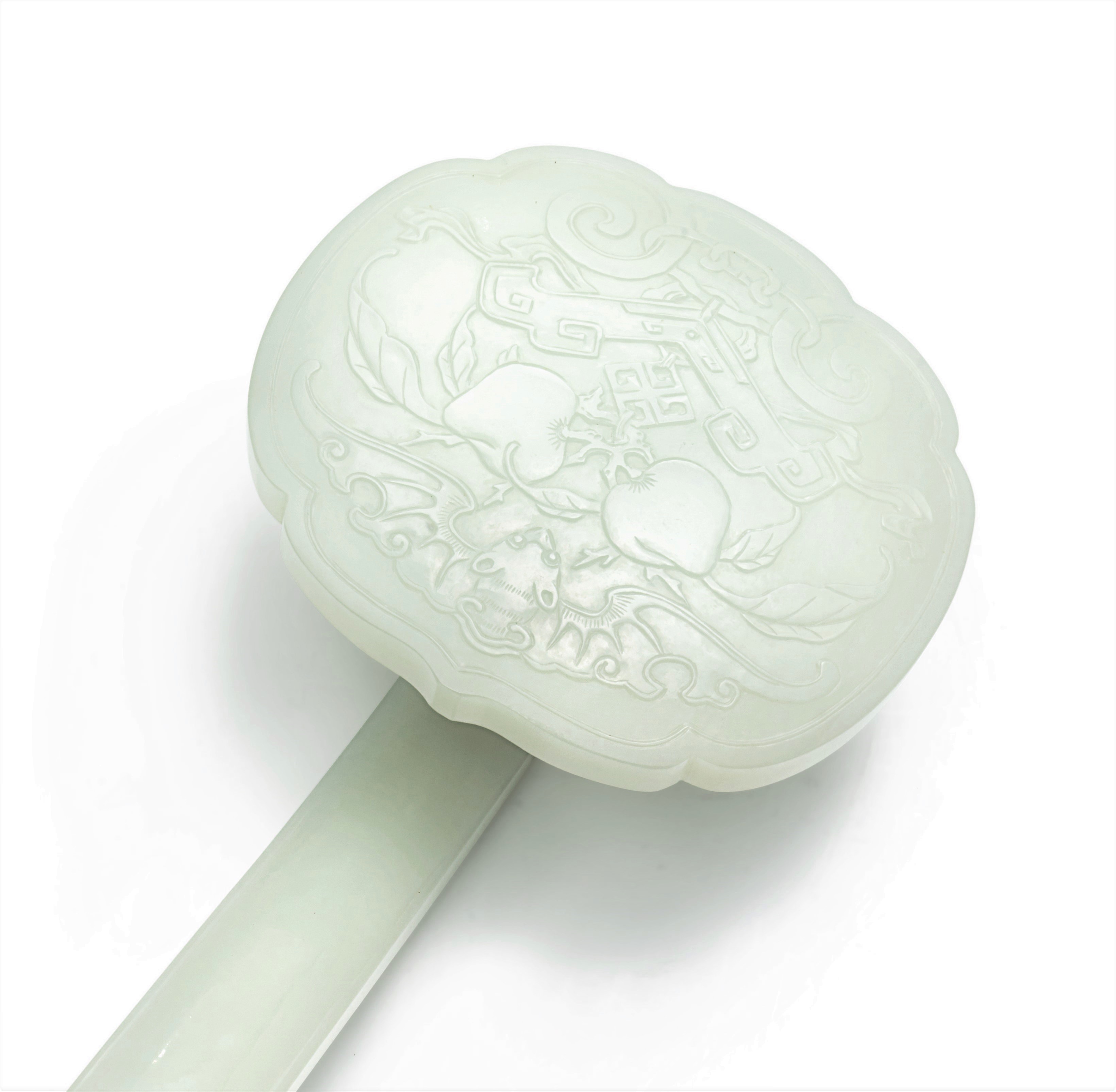
The ruyi is an object with both practical associations and rich symbolic meaning in Chinese culture. Usually taking a curved, sceptre-like form with a decorated head and handle, it has long appeared in art, religion, ceremony and everyday life.
Its name conveys the wish that events may unfold “as one desires.” The ruyi therefore became an auspicious emblem expressing hopes for happiness, good fortune and success. It was treasured as a decorative object and as a meaningful gift.
Ruyi were made in many materials, including jade, gold, silver, ivory, porcelain and wood. Their surfaces offered opportunities for finely carved or otherwise worked ornament. Animals, flowers, dragons, phoenixes and other auspicious motifs added visual richness and layers of meaning.
Beyond decorative use, ruyi also appeared in religious and courtly settings. In Buddhist and Daoist contexts they could be associated with spiritual authority and wisdom; at court they acquired ceremonial and imperial associations. Their significance depended on the context in which they were used and displayed.
Combining material beauty, craftsmanship and wishes for a fulfilled life, the ruyi remains a recognisable form in Chinese art. Through A Ruyi in Hand, Wishes Fulfilled, Yun An Museum invites viewers to explore examples from its collection and to appreciate the variety and symbolism of this enduring object.